
Accident reconstruction is only as strong as the evidence available to support it. Much of that evidence begins changing almost immediately after a collision.
Retention decisions often follow the litigation timeline. Counsel may wait until liability becomes clearly disputed, suit is filed, or expert disclosure deadlines approach before bringing in a reconstruction specialist.
By then, the physical record may look very different. Vehicles may have been repaired or transferred, electronic data may no longer be available, video may have been overwritten, and roadway conditions may have changed.
A specialist retained in the first days can work from the vehicles, data, and scene as they actually existed. One retained months later may still produce a sound analysis, although it will depend more heavily on photographs, reports, and whatever evidence survived.
What Evidence Can Disappear
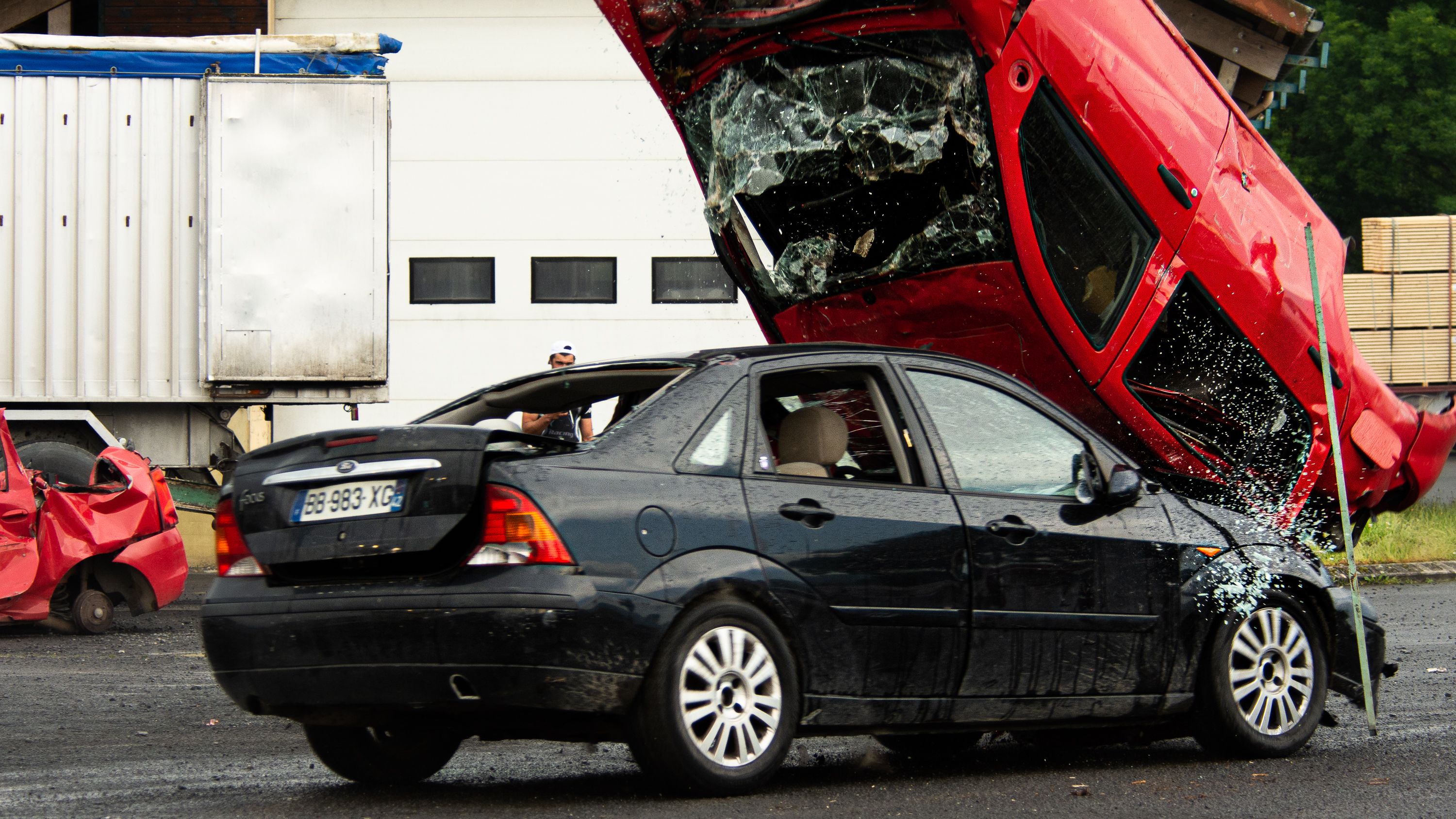
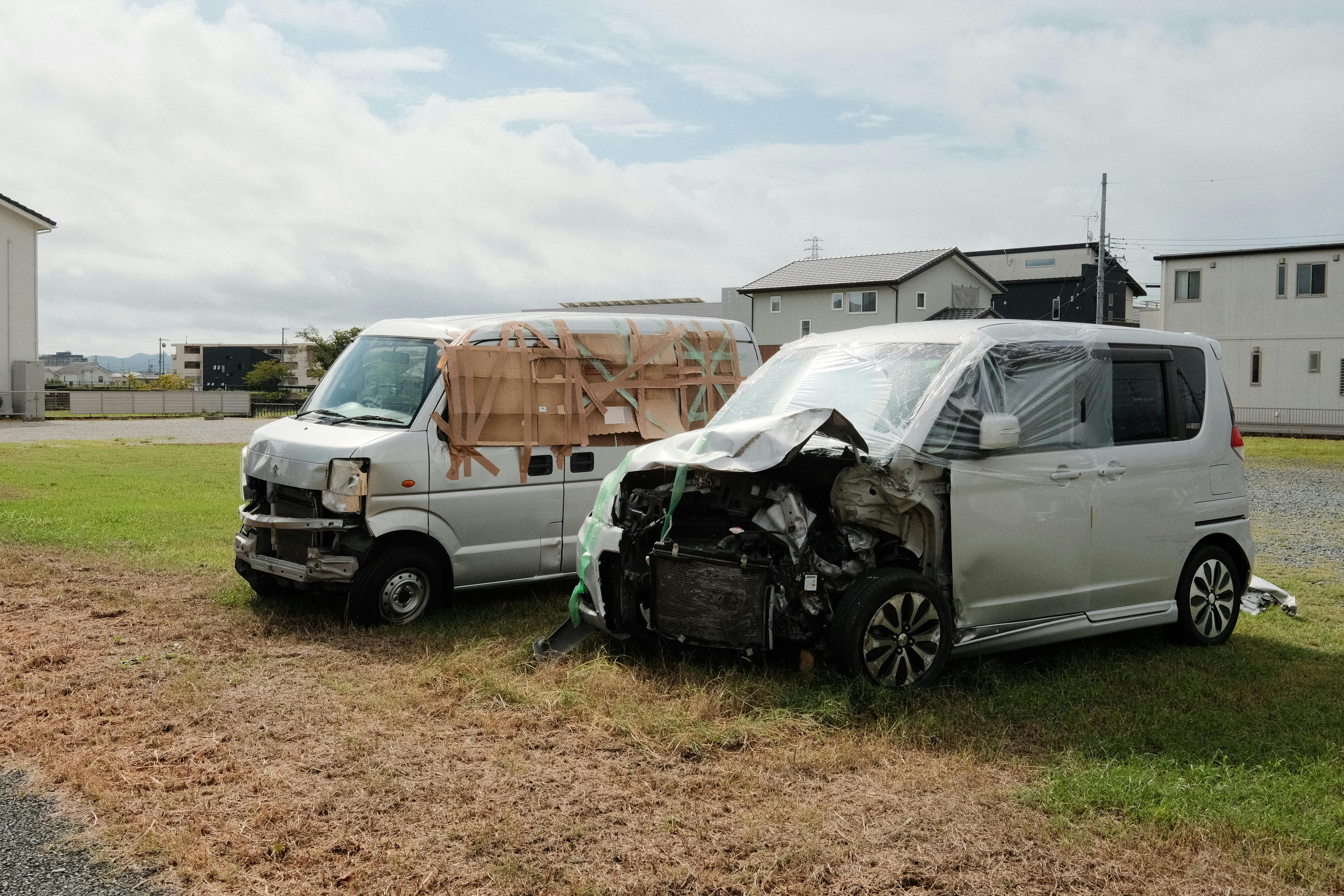
The vehicles themselves are often the most obvious source of evidence. Physical inspection can document crush patterns, component damage, tire condition, restraint systems, and other details that photographs may not capture completely.
Many modern passenger vehicles also contain event data recorders that can preserve crash-related information such as vehicle speed, braking status, throttle position, restraint activity, and other available parameters. What is recorded varies by vehicle, and non-deployment events may not be preserved indefinitely.
If a damaged vehicle is repaired, sold at salvage, or destroyed before the relevant data is retrieved, some evidence may be impossible to recover later. Physical damage can also be altered during repair or dismantling.
Commercial vehicles can present an even broader range of electronic evidence. Depending on the equipment, engine control modules, fleet systems, collision mitigation systems, and electronic logging devices may contain information relevant to vehicle operation, braking, speed, or driver activity.
Federal rules generally require motor carriers to retain electronic logging device records of duty status and supporting documents for six months. Other forms of commercial vehicle data may follow different retention practices, so counsel should not assume every useful record will remain available for the same period.
Video can disappear faster. Surveillance systems at businesses, residences, and other properties may automatically overwrite footage unless someone identifies and preserves it, while dashcam and doorbell recordings depend heavily on the settings and actions of the owner.
The scene changes too. Tire marks fade, debris is cleared, construction moves, roadways are repaired or restriped, and vegetation or sight obstructions may look different within weeks.
Early retention gives the specialist a chance to identify which evidence sources matter in the particular collision and which ones are closest to disappearing.
Early Retention Adds More Than Preservation
Preserving evidence is the most obvious reason to involve a reconstruction specialist early. Early technical input can also improve the investigation itself.
Vehicle inspections, event data downloads, and scene documentation need to be performed using sound methodology and properly documented procedures. Incomplete documentation or questionable collection methods can give opposing counsel grounds to challenge the reliability or weight of the eventual opinion.
A specialist can also tell counsel which questions the evidence is capable of answering. That can shape discovery requests, witness interviews, and decisions about which records or inspections are worth pursuing.
This can be particularly useful before the parties have committed to firm liability positions. A preliminary reconstruction may show that a case thought to be straightforward contains a genuine dispute over speed, sequence, visibility, reaction time, or point of impact.
For insurers, that analysis can affect reserve decisions and settlement evaluation. For attorneys, it can help determine whether additional technical work is justified and prevent the case from being built around a theory the physical evidence will not support.
Firsthand inspection can strengthen the foundation of the final opinion as well. A specialist who personally examined the available vehicles and scene can explain exactly what was observed and documented instead of relying entirely on secondhand materials.
What the Specialist Needs at Intake
The intake process does not require a complete litigation file. What matters at the beginning is enough information to identify what evidence exists and how quickly it may disappear.
Useful starting information includes the date, time, and location of the collision, the present locations of the vehicles, who controls them, whether any electronic data has already been downloaded, and what police reports, photographs, or video sources are known to exist.
Counsel should also identify the technical questions likely to matter. Those may involve vehicle speed, collision sequence, point of impact, visibility, perception-response time, braking, or whether the physical evidence supports competing accounts of what occurred.
Preservation notices may need to go to insurers, tow yards, commercial carriers, businesses, vehicle owners, or other potential custodians. Access to another party’s vehicle or proprietary data may require coordination between the parties or formal legal process, which can take time.
Aperture LLC provides accident reconstruction and forensic analysis for attorneys and insurers, including vehicle and scene inspections, passenger and commercial vehicle data recovery, video analysis, 3D documentation, simulations, and expert testimony. Early involvement allows Aperture to help identify the evidence that should be preserved before later analysis is limited by what remains.
Retain for the Evidence, Not the Litigation Calendar
The decision to retain an accident reconstruction specialist is often framed around whether the case will eventually need expert testimony. A more useful question is what evidence will still exist by the time that need becomes obvious.
Early retention does not mean every collision requires a complete reconstruction immediately. It gives a qualified specialist the opportunity to identify evidence, preserve what is likely to disappear, and tell counsel which technical issues deserve attention while the physical record is still available.
That can make the eventual analysis more complete and reduce the number of assumptions required later. It also gives attorneys and insurers a clearer view of the case before positions harden and litigation costs increase.
The final opinion can only be built from the evidence that survives. Contacting Aperture early after a significant collision provides the widest opportunity to preserve and evaluate that evidence before the vehicles, data, video, or scene change beyond recovery.
Aperture LLC
+15125350749
13625 Ronald Reagan Blvd Bldg. #2, Cedar Park, TX 78613
Sorry, comments are closed for this post.